What Is an Ocean Gyre?
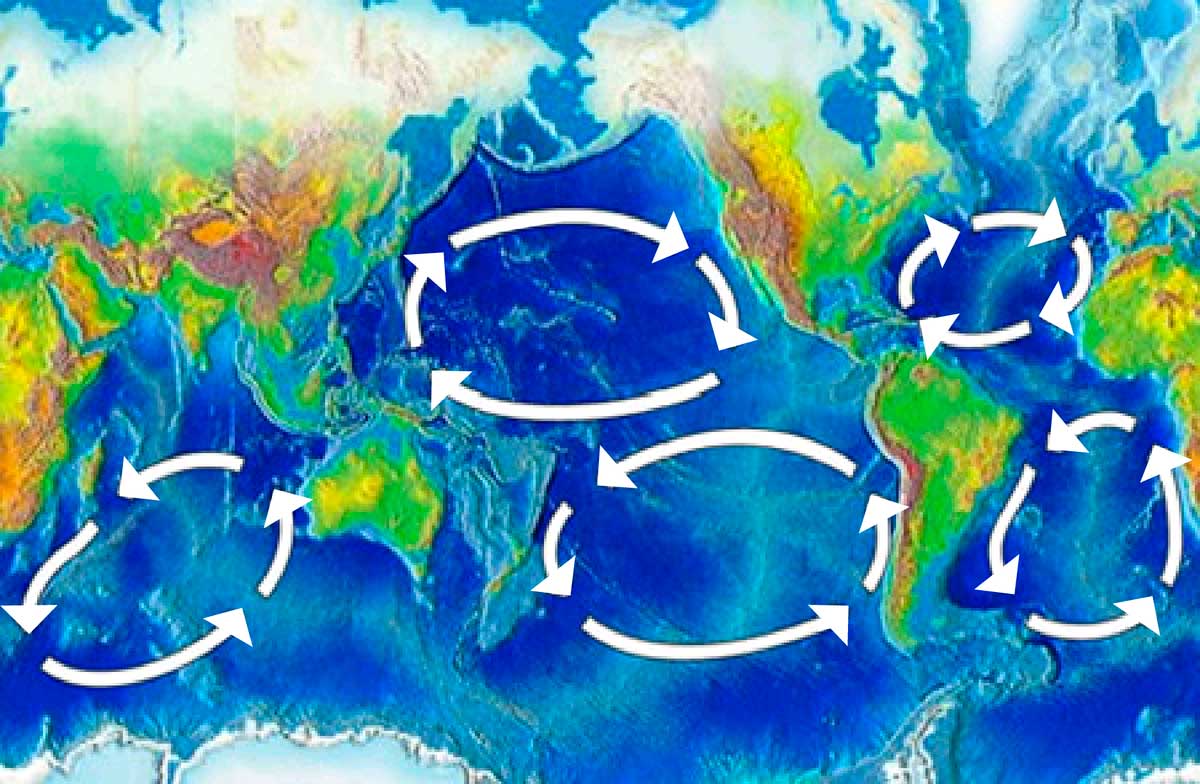
In the oceans, marine currents form gyres—vast whirlpools located at mid-latitudes. These circular movements are driven by trade winds, variations in water density, and the Coriolis effect (Ellen MacArthur Foundation, 2016).
Plastic Waste Trapped in the Gyres
Plastics released by human activity are carried by ocean currents and eventually accumulate in five major gyres:...
Lire l'article
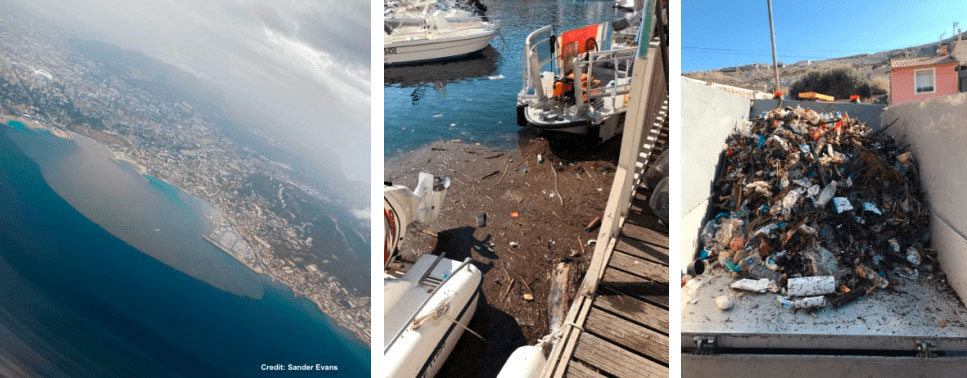
Marine pollution, especially floating plastic waste, is often seen as a coastal issue. Yet its origins lie much further inland—in our cities, countryside, and river networks. As the signs on urban storm drains remind us: “The sea starts here.”
🚱 80% of Marine Waste Comes from Land
Experts agree: around 80% of the waste found in the ocean originates from human activities on land. Streams, rivers,...
Lire l'article
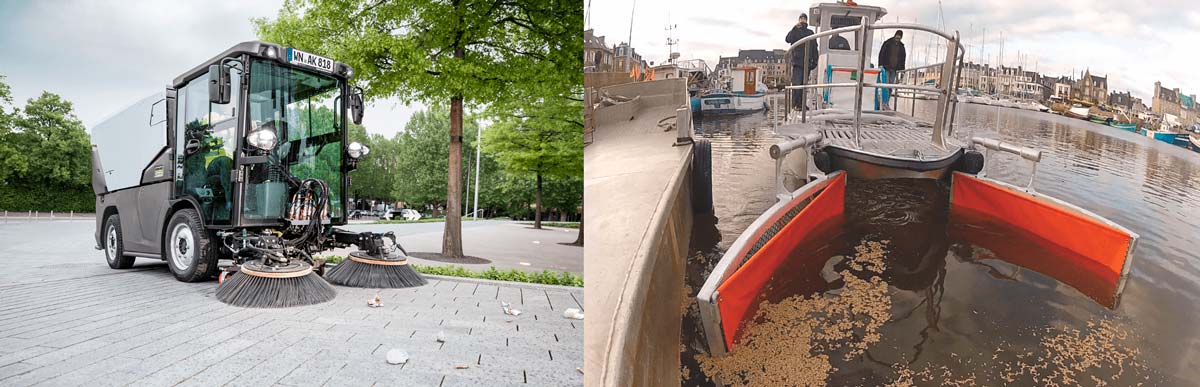
In every city, even the smallest ones, street sweepers have become essential. Yet their cost is significant: between €100,000 and €170,000 to purchase, and up to €50,000 per year to operate, including a dedicated operator and maintenance. Still, their usefulness is never questioned—they embody the commitment of local authorities to a clean and welcoming public space.
And yet… Our ports, marinas,...
Lire l'article